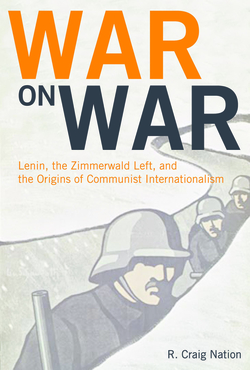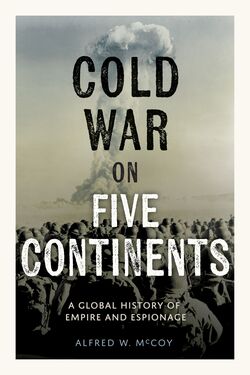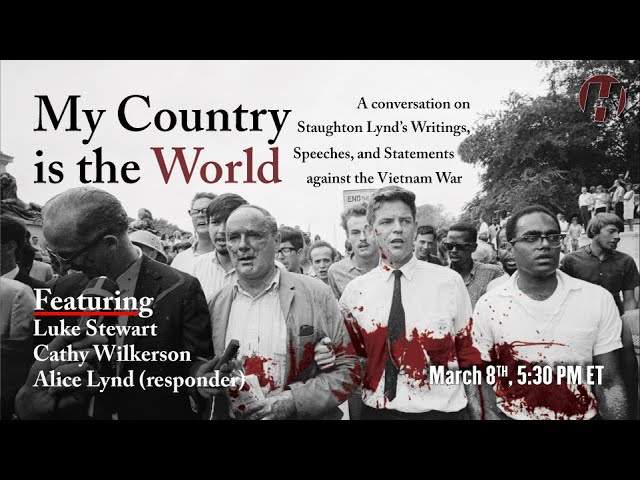






War on War

Lenin, the Zimmerwald Left, and the Origins of the Communist International

In the early years of the twentieth century, mass political parties representing the needs of a burgeoning working class and the fight for socialism grew up in nations throughout Europe. These parties carried the mantle of solidarity across borders with a vision of a united working class movement to throw off it's own opressers and found a new world on the basis of international worker's equality and democracy. But tragically, in 1914, socialist parties throughout the region endorsed their own governments's war efforts, encouraging the working and poor people of their own nations to march against the workers of other nations.

In response to this betrayal, Lenin and Bolshevik party led a minority faction of socialist leaders to challenge this costly departure from the fundamental ideas of marxism at an international congress held in Zimmerwald, Switzerland in 1915. When Russian workers mounted a successful revolution in October, 1917, their cry for Land, Peace and Bread helped bring the World War to a halt, and the coalition of the Zimmerwald Left became the central current of an international bid for genuine socialism the world over.

Here, Nation details the course of their principled opposition to the war on the basis of the consequences for the working class of international competition among world powers. Their stand offers ongoing relevance and inspiration for all those opposed to the wars for global hegemony today.

About the author

R. Craig Nation has been Director of Russian and European Studies at the U.S. Army War College in Carlisle, PA, since 1996. He is a specialist in war and peace studies, with a particular focus on security issues in the European and Eurasian regions.